
Titan Fed chair Alan Greenspan dead at 100
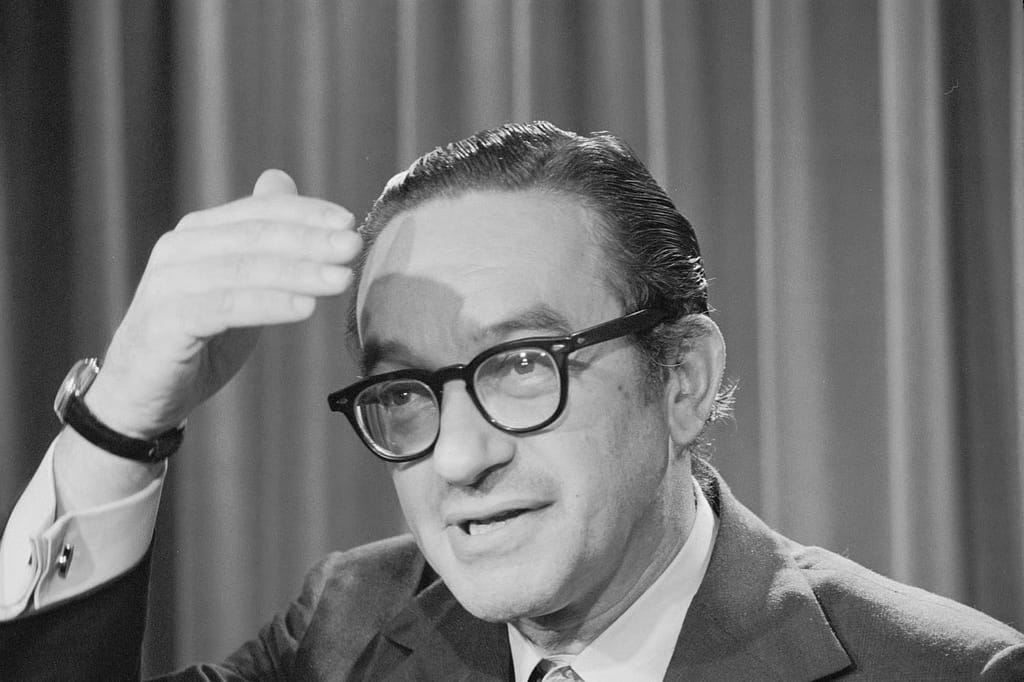
Bettmann/Getty Images
| Alan Greenspan, who led the Federal Reserve under four presidents from both parties, died yesterday at age 100 from Parkinson’s disease complications. The celebrity economist played a lead role in shaping US economic policy while chairing the Fed between 1987 and 2006, a period of massive wealth creation. Greenspan was hailed for his well-timed interest rate moves to fight inflation, while promoting economic growth. But many prominent economists also blamed his championing of financial deregulation for causing the 2008 financial crisis. Greenspanomics Entering government during the Ford administration after co-founding a successful economic forecasting firm, Greenspan became known for basing decisions on meticulous data analysis rather than textbook economics. He ultimately gained guru status for deftly managing monetary policy, including during one of the longest economic booms in the country’s history between 1991 and 2001: He helped engineer a swift recovery from a massive financial crash during the late Reagan administration by slashing interest rates and pouring money into the economy.In the mid-90s, he presided over rate increases to stem price growth without causing a recession, a tough balancing act known as a soft landing.He later didn’t heed calls to keep hiking rates amid an economic upswing, correctly foreseeing that productivity gains from personal computers would help tame inflation. Greenspan was infamous for using hard-to-decipher jargon known as Fedspeak, but he also pioneered interest rate change announcements as a way to guide markets. On the other hand… Shaping the economy comes with criticism. Some said the notion that Greenspan would always rescue the stock market led investors to make riskier bets. An acolyte of libertarian writer Ayn Rand, Greenspan lobbied for light-touch financial regulation during the Clinton years. That, combined with his refusal to raise interest rates and rein in subprime mortgage lenders to stamp out the housing bubble in the 2000s, caused some (including the bipartisan Financial Crisis Inquiry Commission) to say he was partially responsible for the Great Recession. His influence remains….“Chairman Greenspan’s legacy endures at the Federal Reserve—in those he mentored directly, in the economists and public servants he inspired, and in the frameworks and practices he helped shape,” the Fed said yesterday. |

